Published
- 4 min read
how to potty train a dog in an apartment
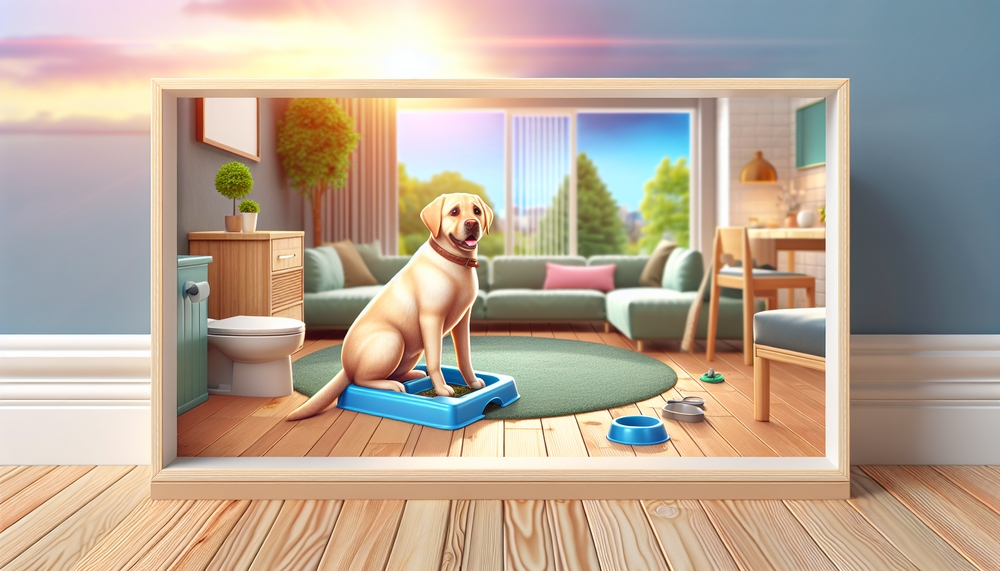
How to Potty Train a Dog in an Apartment: A Beginner’s Guide
So, you’ve just brought home a furry bundle of joy to your cozy apartment. Congratulations! But wait—what’s that smell? Ah, the joys of potty training a new puppy. Don’t worry, we’ve all been there, and the good news is that potty training your dog in an apartment is absolutely doable with a little patience, consistency, and a sprinkle of humor.
Why Potty Training is Crucial
Before we dive into the nitty-gritty, let’s talk about why potty training is so important. Not only does it save your carpets and floors from becoming a canine outhouse, but it also fosters a sense of routine and discipline in your dog. Plus, let’s be honest, nobody wants to step in a surprise puddle first thing in the morning.
The Basics: What You Need
Here’s a list of essentials to get you started:
- Crate: A cozy, den-like space for your pup.
- Pee Pads: These are your best friends when it comes to apartment living.
- Leash: For those frequent trips outside.
- Treats: Positive reinforcement is key.
- Cleaning Supplies: Accidents will happen. Be prepared.
Step-by-Step Guide to Potty Training
1. Establish a Routine
Dogs thrive on routine. Feed your dog at the same times each day and take them out immediately after eating. Consistency is your ally.
2. Choose a Potty Spot
Pick a designated potty spot outside (or on a pee pad if you’re starting indoors). Every time you take your dog to this spot, use a consistent command like “Go potty.” Eventually, your dog will associate this spot and command with doing their business.
3. Crate Training
Crate training can be highly effective for potty training. Dogs naturally avoid soiling their sleeping area. Make sure the crate is just big enough for your dog to stand up, turn around, and lie down comfortably. Avoid using the crate as a form of punishment.
4. Use Pee Pads Wisely
If you’re in a high-rise apartment or don’t have immediate outdoor access, pee pads can be a lifesaver. Start by placing the pads near the door and gradually move them outside to transition your dog to outdoor pottying.
5. Positive Reinforcement
Every time your dog successfully goes potty in the right place, reward them with a treat and lots of praise. This reinforces good behavior and helps them understand what’s expected.
6. Supervise and Limit Freedom
Especially in the beginning, keep a close eye on your dog. Limit their freedom to roam the apartment until they’ve proven they can be trusted. Use baby gates if necessary.
7. Handle Accidents Calmly
Accidents are part of the learning process. If you catch your dog in the act, firmly say “No” and immediately take them to the designated potty spot. Clean up accidents thoroughly to remove any lingering odors that might attract your dog back to the same spot.
Common Challenges and Solutions
Inconsistent Schedule
Life happens, but try to stick to a consistent potty schedule as much as possible. If you have an unpredictable schedule, consider hiring a dog walker.
Small Bladders
Puppies have small bladders and need to go out frequently. As a rule of thumb, they can hold their bladder for about one hour for every month of age.
Fear of the Outdoors
Some dogs might be reluctant to go outside. Gradually expose them to the outdoors, and use treats and positive reinforcement to make it a pleasant experience.
Official Resources
For more detailed information and expert advice, check out these official resources:
- American Kennel Club: How to Potty Train a Puppy
- Humane Society of the United States: How to House Train Your Dog or Puppy
Conclusion
Potty training your dog in an apartment may seem daunting, but with patience, consistency, and a good sense of humor, your pup will be a potty pro in no time. Remember to celebrate the small victories along the way and enjoy the journey of raising a well-trained, happy dog.
Happy training, and may your floors remain forever puddle-free! 🐾
Feel free to drop your own tips and experiences in the comments below. We’d love to hear from you!