Published
- 4 min read
how long does it take to potty train a puppy
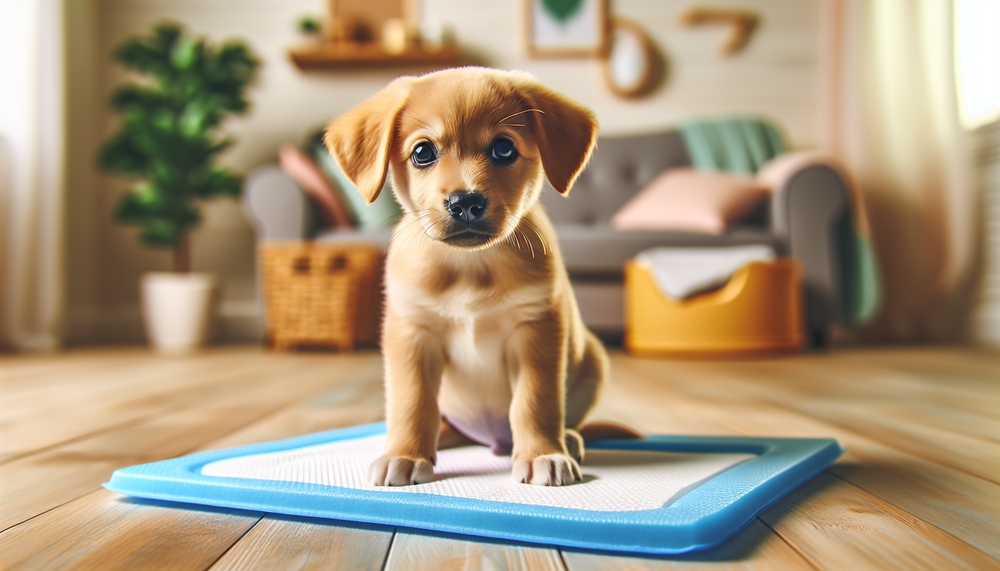
How Long Does It Take to Potty Train a Puppy?
So, you’ve welcomed a furry ball of joy into your home, and now you’re faced with the daunting task of potty training. Fear not! With patience, consistency, and a sense of humor, you’ll soon have a well-trained pup that knows exactly where to do their business. In this article, we’ll explore how long it typically takes to potty train a puppy and share some tips to make the process smoother.
The Great Potty Training Timeline
First things first: How long does it take to potty train a puppy? The answer varies depending on several factors, such as the puppy’s age, temperament, and your training consistency. On average, it takes about 4-6 months to fully potty train a puppy. However, some puppies may catch on quicker, while others might take up to a year.
Official sources like the American Kennel Club (AKC) suggest that most puppies can be reliably potty trained by the time they are 6 months old. You can read more about it here.
Factors Affecting Potty Training
1. Age of the Puppy
Younger puppies have smaller bladders and less control, so they need more frequent potty breaks. Generally, puppies can hold their bladder for about 1 hour per month of age. So, a 3-month-old puppy can hold it for around 3 hours.
2. Breed and Size
Some breeds are naturally easier to train than others. Generally, smaller breeds have smaller bladders and might need more frequent potty breaks, making the training process a bit longer.
3. Consistency and Routine
Creating a consistent routine is crucial for successful potty training. Take your puppy out first thing in the morning, after meals, and before bedtime. Consistency helps the puppy understand when and where they are expected to go.
4. Positive Reinforcement
Reward your puppy with treats and praise whenever they successfully go potty outside. Positive reinforcement encourages them to repeat the behavior. Avoid punishment, as it can create fear and confusion.
Tips for Successful Potty Training
1. Create a Schedule
Establish a consistent feeding and potty schedule. Take your puppy out at the same times each day to help them develop a routine.
2. Use a Crate
Crate training can be an effective tool for potty training. Puppies naturally avoid soiling their sleeping area, so a crate can help them learn to hold their bladder.
3. Watch for Signs
Pay attention to signs that your puppy needs to go, such as sniffing, circling, or whining. Quickly take them outside when you notice these behaviors.
4. Be Patient
Accidents will happen—it’s part of the process. Stay patient and avoid scolding your puppy. Clean up accidents thoroughly to remove any lingering odors that might attract them to the same spot.
5. Stay Positive
Celebrate your puppy’s successes with enthusiasm. Use treats, praise, and playtime to reinforce good behavior.
Common Challenges and Solutions
1. Frequent Accidents
If your puppy is having frequent accidents indoors, they might need more frequent potty breaks, or you might need to adjust your feeding schedule.
2. Regression
It’s not uncommon for puppies to regress in their training. If this happens, go back to the basics and reinforce the training with consistency and positive reinforcement.
3. Fear of Going Outside
Some puppies might be scared of the outdoors. Gradually acclimate them by spending time outside together and making it a positive experience.
Conclusion
Potty training a puppy requires time, patience, and consistency. While the average timeline is 4-6 months, each puppy is unique, and some may take longer. By following a consistent routine, using positive reinforcement, and staying patient, you’ll set your puppy up for potty training success.
Remember, every small victory is a step towards a well-trained, happy pup. So, grab those treats, put on your patience hat, and embrace the journey of potty training your adorable companion!
Happy training!
References:
American Kennel Club on Potty Training